The temperature at which the fat melts
“Melts in your mouth” is not a figure of speech with Kuroge Wagyu. It comes down to what the fat is made of, and how warm you are.
WAGYU ZINE editors1 min read
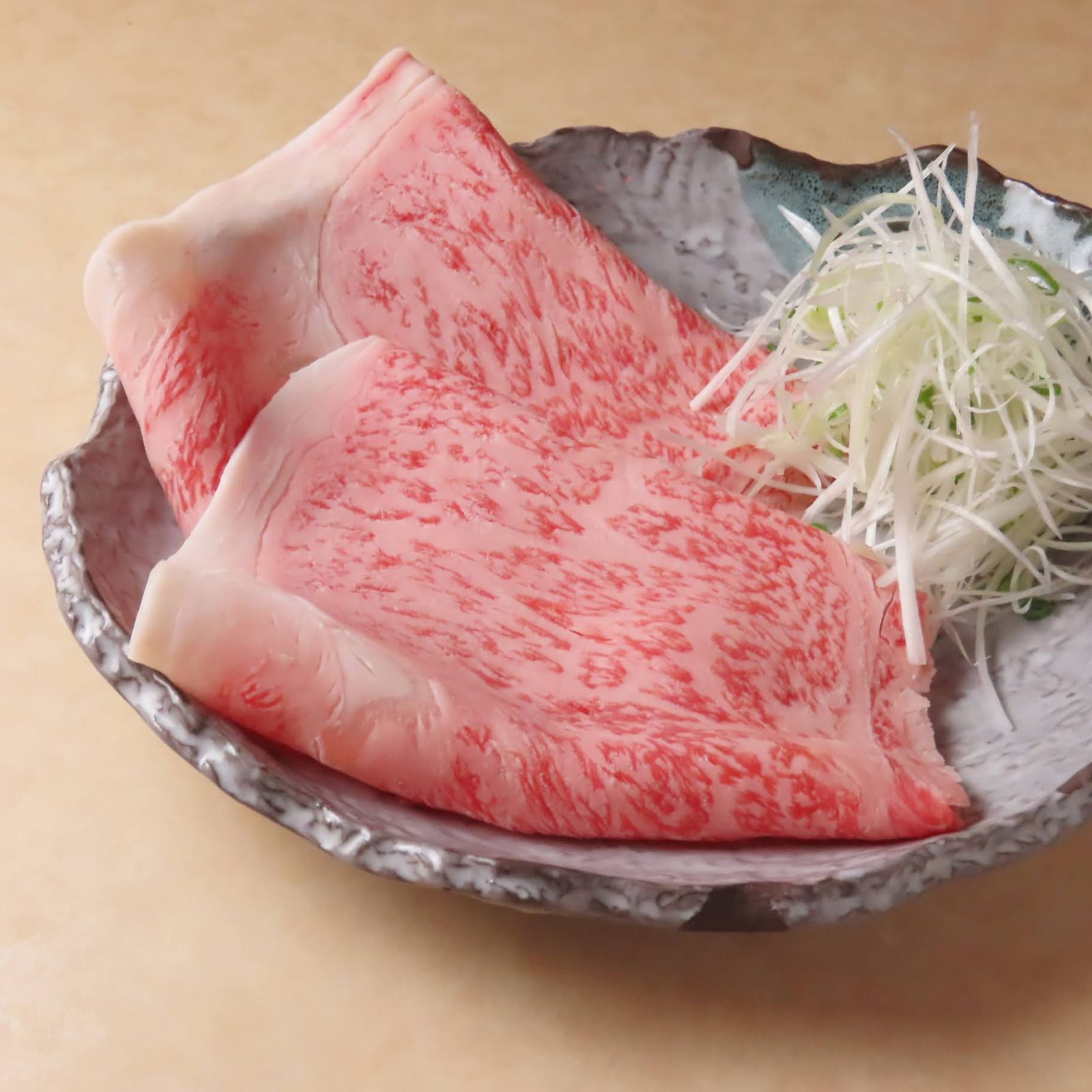
Fat is not one thing
Beef fat is a mix of fatty acids. Broadly there are saturated ones, which set hard at room temperature, and unsaturated ones, which stay soft.
Kuroge Wagyu fat is known for its high share of unsaturated fatty acids, oleic acid above all. Oleic acid is also the main component of olive oil. The more of it there is, the lower the melting point of the fat as a whole.
Melting at body temperature
Fat with a low melting point starts to melt at the temperature of your mouth. It loses its shape on the tongue, and sweetness and aroma arrive before any sense of greasiness. That is the melting people describe.
Fat with a higher melting point never quite dissolves. It feels heavy, and turns grainy as it cools. Two equally marbled steaks can leave very different impressions because the quality of the fat differs, not just the amount.
Fatty acid make-up varies with bloodline, feed, age and sex. Some regions measure oleic acid and build it into their brand standards.
The sweet smell called wagyu-ko
Kuroge Wagyu gives off a distinctive sweet aroma when cooked, called wagyu-ko and often compared to peach or coconut. Aroma compounds called lactones are involved, and research reports that the smell is strongest when the meat is heated to around 80°C.
Gentle, even heat brings it out better than a hard char. There is a reason sukiyaki and shabu-shabu suit this beef so well.
What to remember at the grill
- Heavily marbled meat gives up its fat quickly, even straight from the fridge. Overcook it and the fat runs out, leaving a thin, dry slice.
- It is ready when the fat turns translucent and beads on the surface.
- Fat sets again as it cools. Eat each piece as soon as it is done.
The next story puts all this to work on the grill.