The cattle that eat olives
Olives pressed on an island in the Seto Inland Sea become cattle feed. Sanuki olive beef is a story of a place feeding its own herd.
WAGYU ZINE editors1 min read
An island’s olives, a prefecture’s cattle
Olive growing in Japan began on Shodoshima, an island in Kagawa Prefecture, in 1908. The dry, mild climate of the Seto Inland Sea suited the trees, and the island has been the country’s olive capital ever since.
Kagawa also has Sanuki beef: Kuroge Wagyu raised in the prefecture that meets a set grading standard.
Sanuki olive beef is what happens when you put the two together.
Feed from what the press leaves behind
Pressing olive oil leaves a great deal of fruit behind. Dried and turned into feed, it goes to Sanuki cattle. The idea began with a fattening farmer on Shodoshima around 2010, and the beef was launched as a new Sanuki brand in 2011.
The story goes that cattle would not touch the freshly pressed fruit, which is bitter. Drying it brought out the sweetness, and only then did they eat.
To carry the name, cattle must be given at least 100 grams of olive feed a day for at least the two months before shipping.
What changes
Olives are rich in oleic acid, which is also the main component of beef fat. The more of it there is, the lower the fat’s melting point and the cleaner it feels in the mouth. Kagawa Prefecture describes the beef as having high-quality fat, with notable umami and tenderness.
Something that would have been thrown away becomes feed, and manure from the cattle goes back to the fields. The loop is part of why the brand is admired.
How to eat it
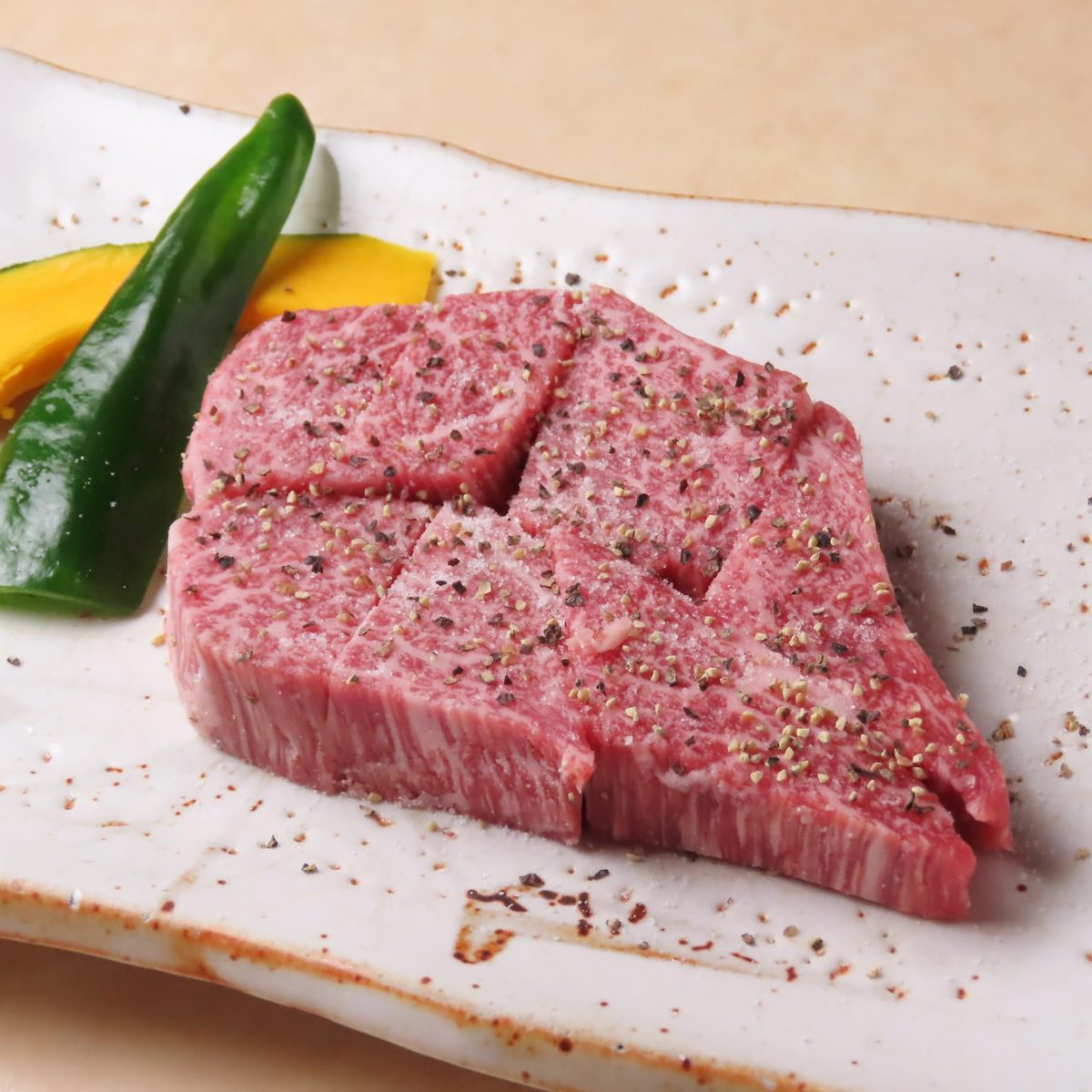
Marbled cuts such as sirloin and kalbi show the lightness of the fat best. Try one slice with salt, then one with tare.
Takamatsu is close to both the airport and the ferry port. Finishing a trip around the Setouchi islands by eating beef raised on one of those islands’ olives is not a bad way to plan it.